
The AI Utopia Paradox
Why Technology Alone Won't Save Us

We keep hearing the same story about AI: it'll handle all the grunt work while humans focus on creativity and purpose. Nice vision. But there's a problem nobody wants to talk about.
If AI really can do most jobs better than humans, what exactly are people supposed to do for money?
This sounds like a technology question, but it's actually about how we've organized society. And we've been here before.
What the Industrial Revolution Actually Taught Us
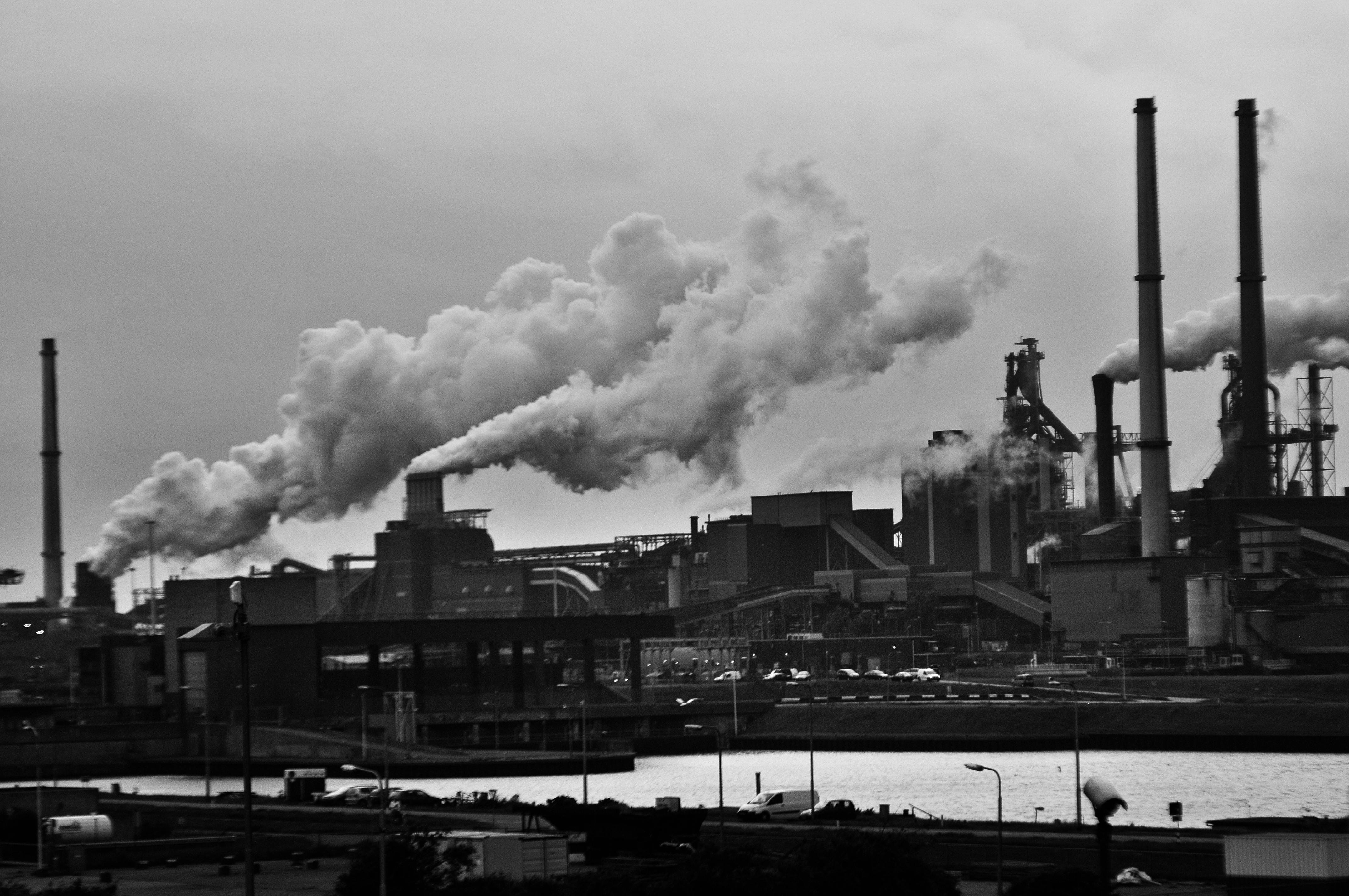
Two hundred years ago, machines started doing what human muscles used to do. Productivity went through the roof. You'd think everyone would be better off, right?
Not exactly. Skilled craftspeople lost their jobs. Workers got herded into factories under terrible conditions. A few factory owners got incredibly rich while everyone else struggled to adapt.
It took decades of strikes, protests, and political battles before we figured out things like labor laws, public education, and social safety nets. The benefits of industrialization didn't just trickle down—people had to fight for them.
Now we're facing something potentially bigger: machines that can think. But we're making the same assumption that somehow the benefits will just work themselves out.
The Uncomfortable Math
Let's say AI gets good enough to handle most cognitive work. Here's what doesn't automatically follow:
Everyone gets a share of the benefits. Right now, the companies building AI systems will own them. Unless something changes, they'll capture most of the economic value while everyone else gets... what exactly?
New jobs will appear to replace old ones. This might happen, but there's no economic law guaranteeing it. And even if new jobs emerge, will there be enough? Will they pay decently?
People will be fine without traditional work. Work sucks sometimes, but it also provides structure, social connection, and a sense of purpose. Take that away without replacing it with something else, and you might create different problems.
We'll figure it out as we go. The pace of AI development is accelerating. Social and political institutions move slowly. That gap could get ugly.
The Policy Vacuum
Some people talk about solutions like universal basic income or redistributing AI profits. These might work, but they require political consensus and institutional changes that don't exist yet.
Other countries might handle this differently. China's government could probably implement AI-driven economic changes faster than democracies can build consensus. That creates its own set of problems.
Meanwhile, the tech companies building these systems are mostly focused on technical capabilities, not social consequences. They're not necessarily the right people to be making decisions that affect everyone's economic future.
What We're Actually Racing Against
The real race isn't between AI companies. It's between technological capability and social adaptation.
AI capabilities are advancing exponentially. Our institutions, laws, and social norms change incrementally. The gap between what's technically possible and what we're socially prepared for is growing.
This isn't necessarily catastrophic, but it's risky. Fast technological change plus slow institutional change historically creates instability. Sometimes violent instability.
Reality Check
Maybe AI won't be as transformative as people claim. Maybe new jobs will emerge. Maybe the transition will be gradual enough for society to adapt.
But betting everything on "maybe" seems unwise when the stakes are this high.
The Industrial Revolution eventually made most people better off, but it took over a century and included some pretty dark chapters. We might not have that much time to figure things out this round.
The technology is advancing whether we're ready or not. The question is what we're going to do about it.